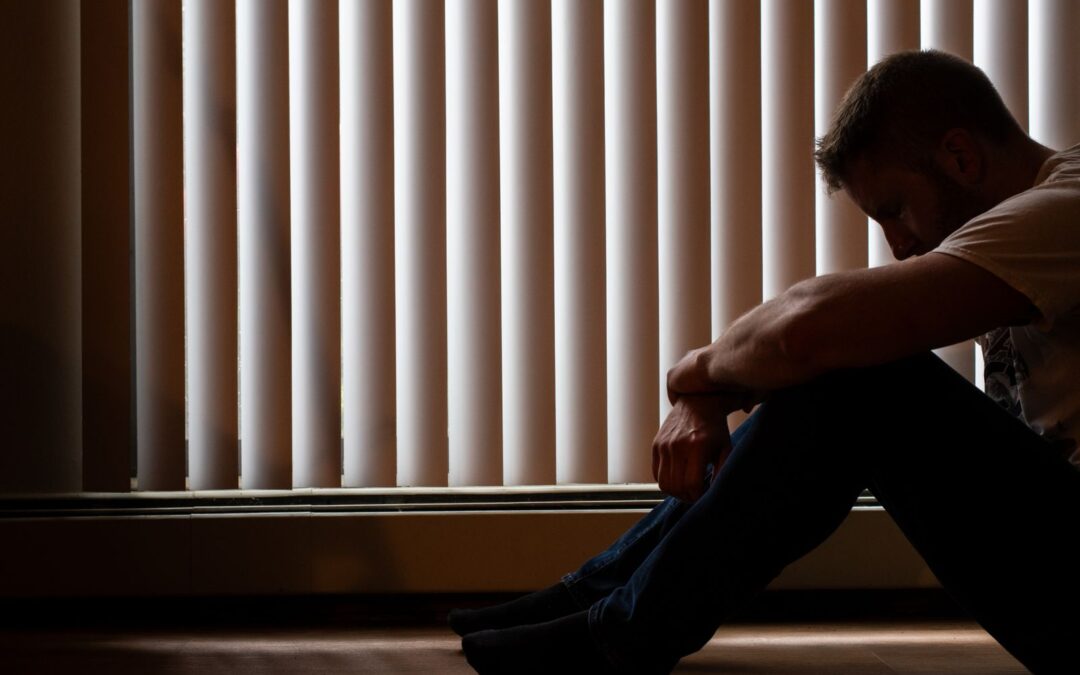
Ever felt stuck in a loop of habits you desperately want to break? You are not alone. Whether it is biting your nails, procrastinating, or reaching for your phone the moment you feel uncomfortable, breaking bad habits can feel like climbing a mountain without a map.
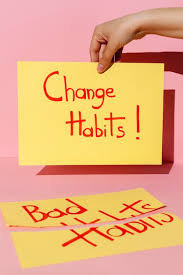
As a therapist I see this every day. People know what they need to do. The gap is between knowing and doing, and it is not a gap in willpower.
Breaking Bad Habits Is Not a Willpower Problem
A habit is a loop: a cue, a routine, and a reward. Once it is established, the cue triggers the routine before deliberate thought is involved. That is the whole point of a habit — it saves you from having to decide.
Which means fighting one with willpower is fighting an automatic process with a deliberate one. The automatic process is faster, cheaper, and available even when you are tired. It usually wins.
Most habits are solving something
The uncomfortable part: the habit you want gone is almost certainly doing a job. Scrolling interrupts anxiety. Procrastination avoids the risk of trying and falling short. Nail-biting discharges tension. The behaviour is the solution to a problem you may not have named.
This is why removing a habit without replacing its function tends to fail, or produces a substitute habit within weeks. The question is not “how do I stop this?” but “what is this doing for me, and what else could do it?”
What actually works
- Change the cue, not the willpower. Phone in another room. Different route home. Environment beats resolve, consistently.
- Replace rather than remove. Give the same cue a different routine, so the loop has somewhere to go.
- Make the unwanted one slightly inconvenient. Small amounts of friction have outsized effects on automatic behaviour.
- Attach the new habit to an existing one. After I make coffee, I do X. Existing routines are reliable anchors.
- Start smaller than feels worthwhile. You are establishing the pattern, not the final size.
- Plan for the lapse. One slip is a slip. The damage comes from what you tell yourself about it afterwards.
Why shame makes it worse
The instinct after breaking a streak is self-criticism, on the theory that it will prevent a repeat. In practice shame depletes exactly the resources self-control requires, which makes the next lapse more likely. The people who change habits successfully are not the harshest with themselves — they are the quickest to restart.
When to look deeper
If a habit is escalating, if you have tried repeatedly and cannot shift it, or if stopping produces significant distress, the habit may be managing something underneath — anxiety, low mood, or something unresolved. That is worth addressing directly rather than through the behaviour.
Getting started
Read about anxiety therapy, or request a free 15-minute consultation.