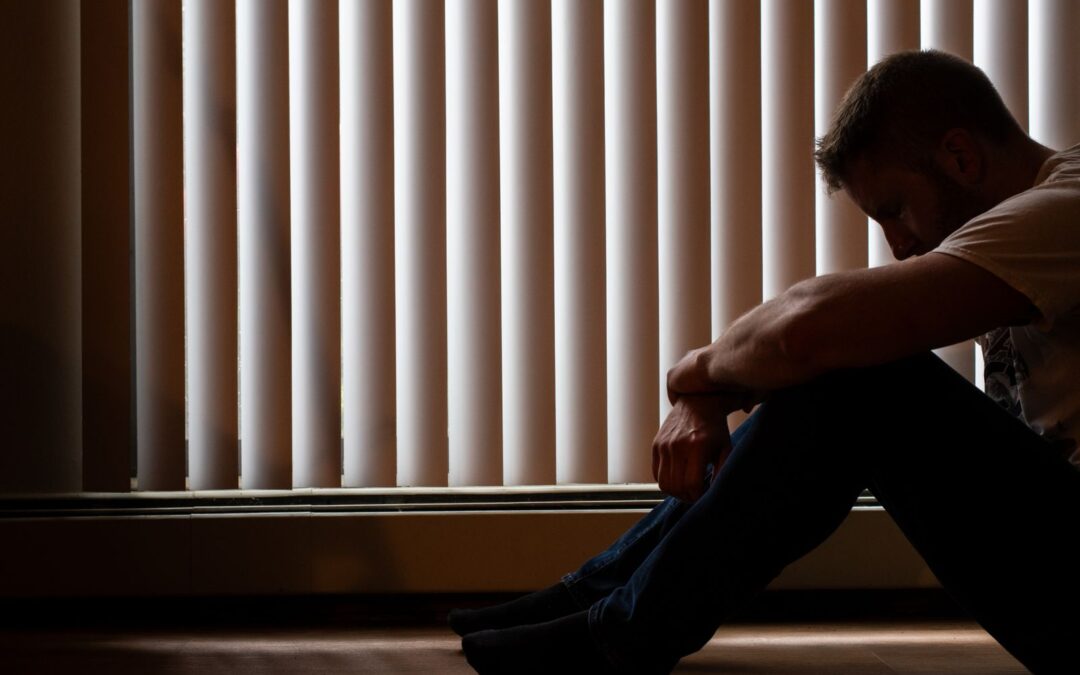
Struggling with procrastination? You are not alone, and it is not about being lazy. Procrastination and anxiety are closely connected — often procrastination is your brain’s way of coping with stress, fear, or overwhelm.

Here are a few simple, mental-health-friendly steps to get unstuck.
Procrastination and Anxiety: Get Curious, Not Critical
Ask yourself why you are avoiding this particular task. Are you afraid of getting it wrong? Burnt out? Unclear on what is actually being asked?
The answer matters, because each one needs a different response. Fear of failure needs the stakes lowered. Exhaustion needs rest, not discipline. Ambiguity needs a clearer first step. Treating all three as a willpower problem is why generic advice so rarely works.
Understand the mechanism
Procrastination is emotional regulation, not time management. The task produces discomfort, avoiding it removes the discomfort immediately, and that relief is rewarding. Your brain learns that avoidance works.
The trap is that the relief is short and the anxiety comes back larger, because now there is the original task plus the guilt plus less time. This is why procrastination reliably makes people feel worse while promising to make them feel better.
Make the first step embarrassingly small
Not “write the report” — open the document and write one sentence. The resistance sits almost entirely at the point of starting; once you are in, continuing is far easier. Give yourself explicit permission to stop after two minutes, and most of the time you will not want to.
Separate deciding from doing
A surprising amount of stalling is unmade decisions masquerading as tasks. “Sort out the insurance” is not one action, it is several unclear ones. Write down the actual first physical step and do only that.
Deal with the shame, or it will keep you stuck
The self-criticism that follows a wasted day feels like accountability and functions as fuel for the next round. Shame lowers the resources that starting requires, so the harsher you are, the more likely you are to avoid it again tomorrow.
Self-forgiveness after procrastinating is associated with less procrastination next time, which is counterintuitive and well supported.
Change the environment, not the resolve
Phone in another room. A different location for hard work. A specific time blocked out rather than “sometime today.” Intentions are unreliable; friction is not.
When it is worth looking deeper
If procrastination is costing you work, money or relationships, if it clusters around one specific area of life, or if it comes with persistent anxiety or low mood, there is usually something underneath it worth addressing directly — often perfectionism, or a fear of being evaluated.
Getting started
Read about anxiety therapy or request a free 15-minute consultation.